[ view project ]

Reconnecting the Waterfront to the City
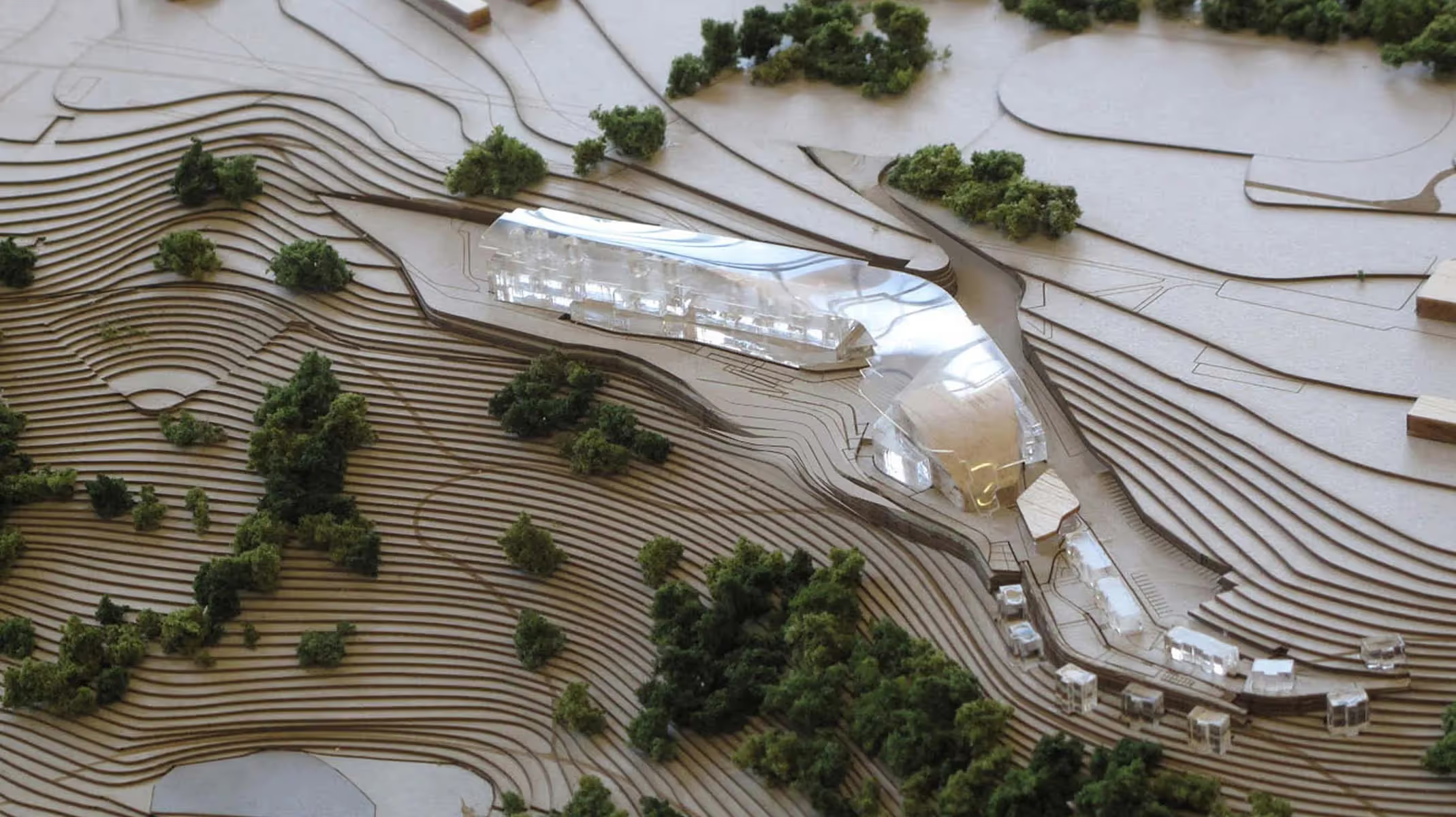
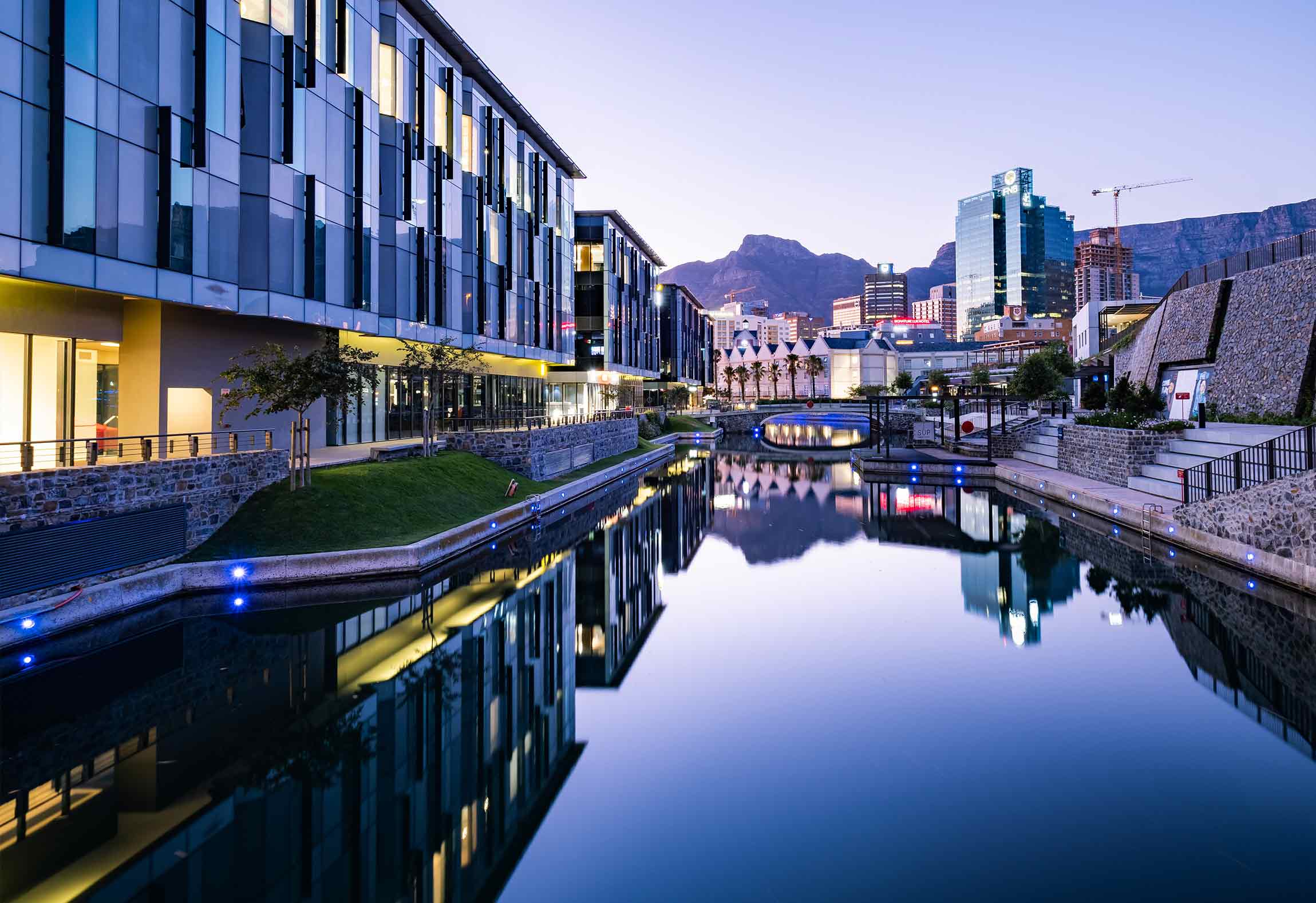
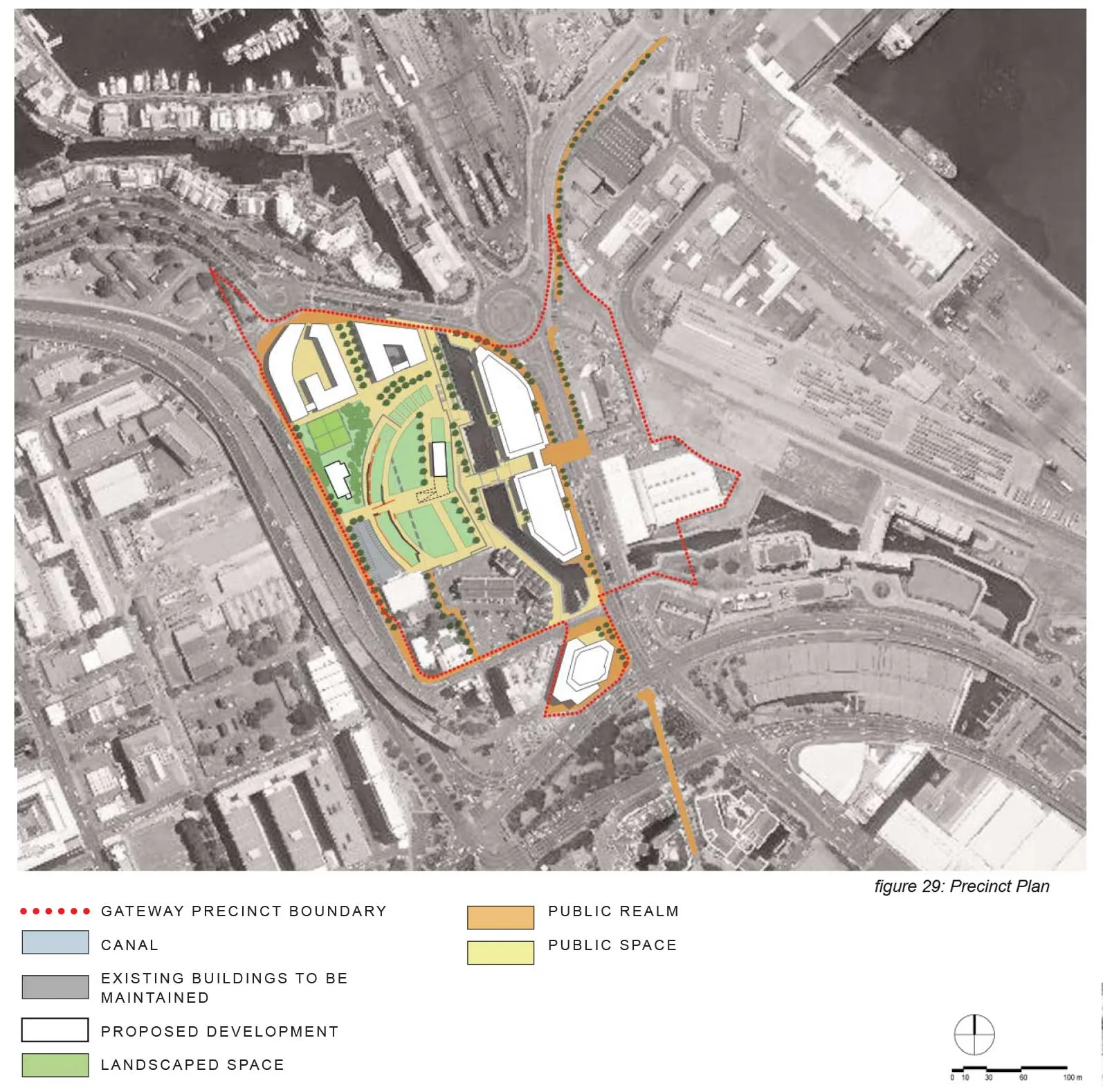
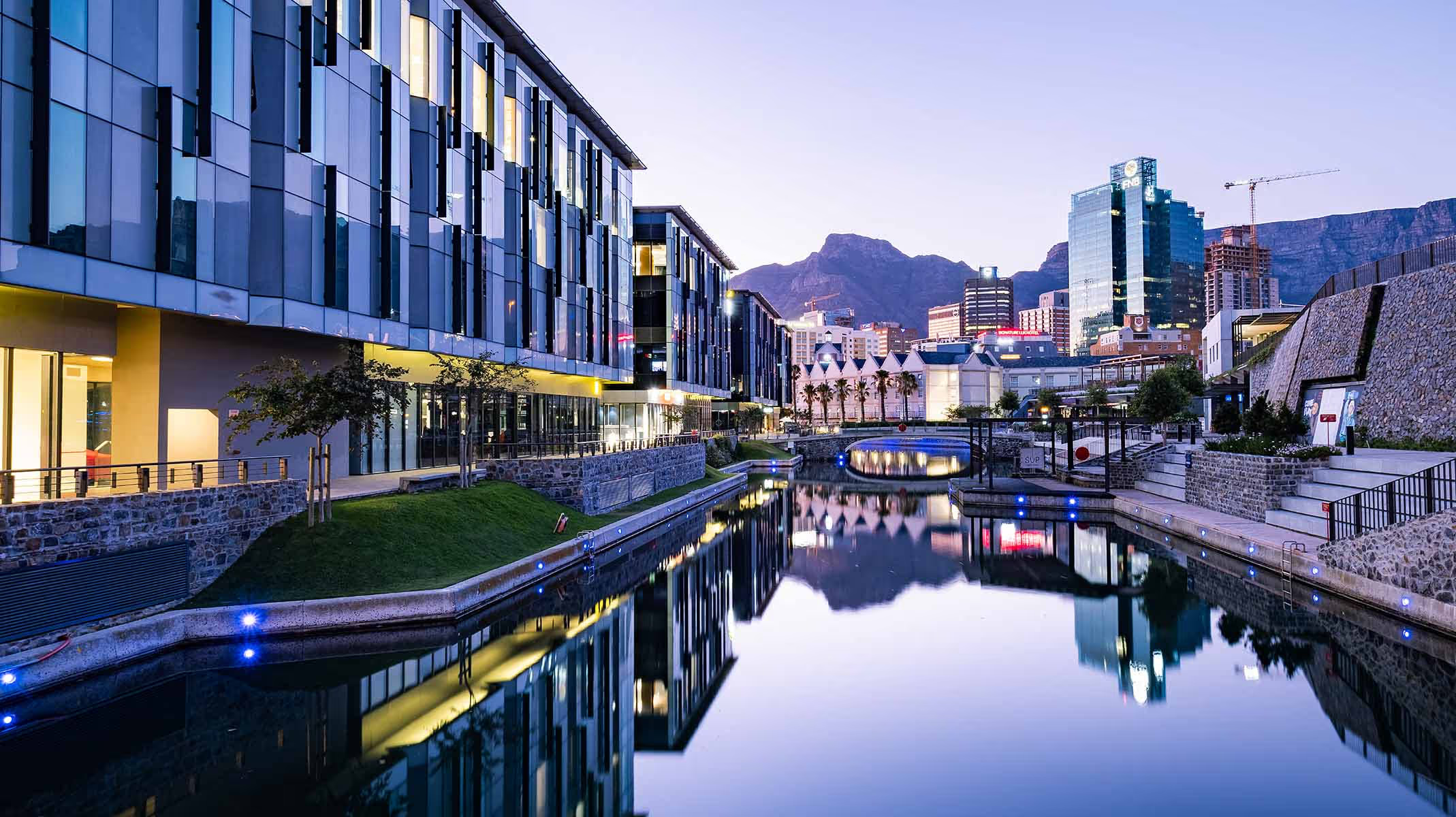
The Canal Precinct at the V&A Waterfront in Cape Town sits at a significant urban threshold, where the V&A Waterfront meets the CBD. dhk was commissioned to develop an urban design framework for this critical site. The framework proposed a strategy that transforms the precinct into a genuine connector between two very different parts of the city.
The vision was driven by three core principles: restore pedestrian movement between the city and the Waterfront, place heritage at the heart of the public realm, and create a framework flexible enough to guide phased, mixed-use development over time.
Reading the Site
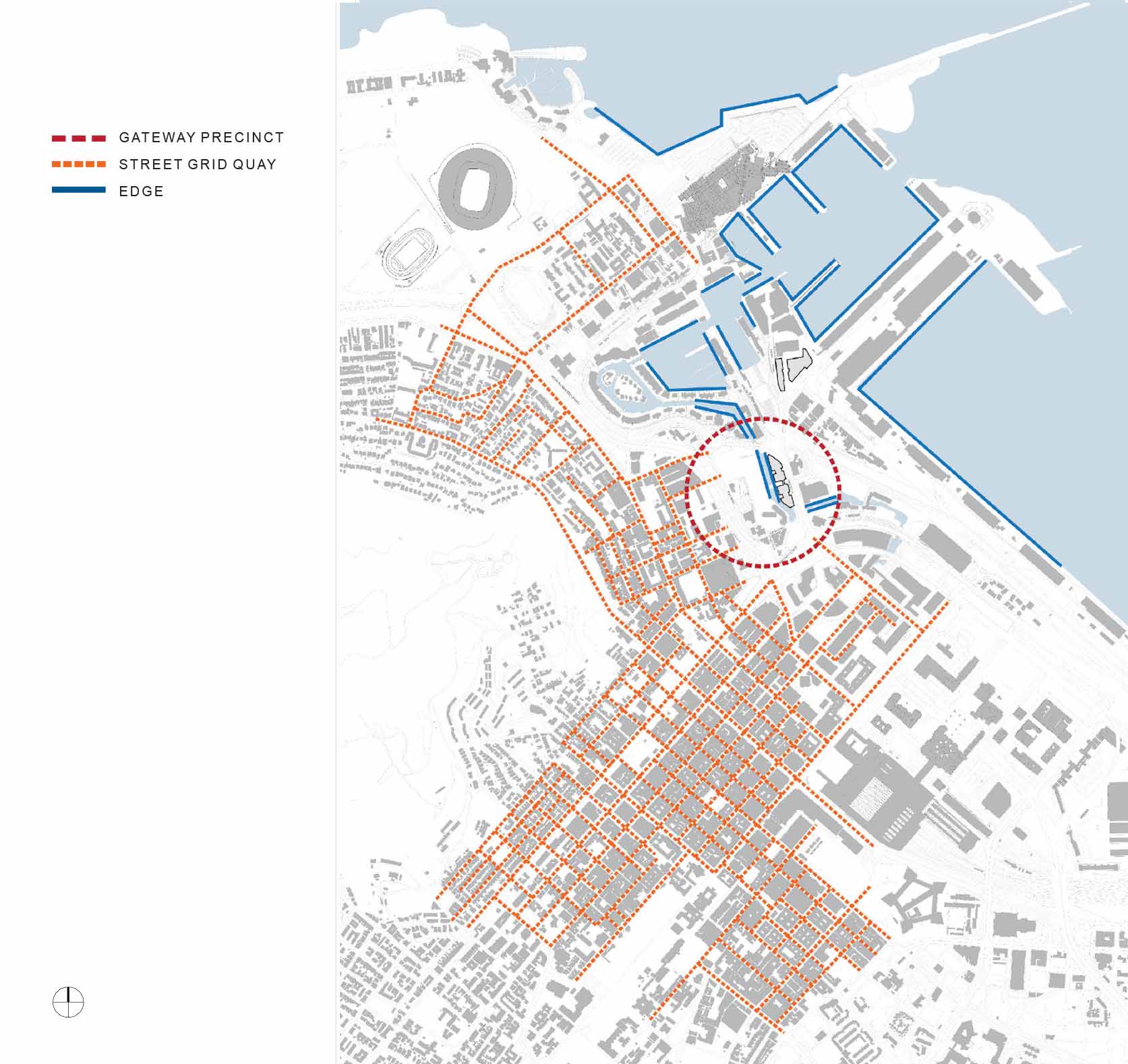
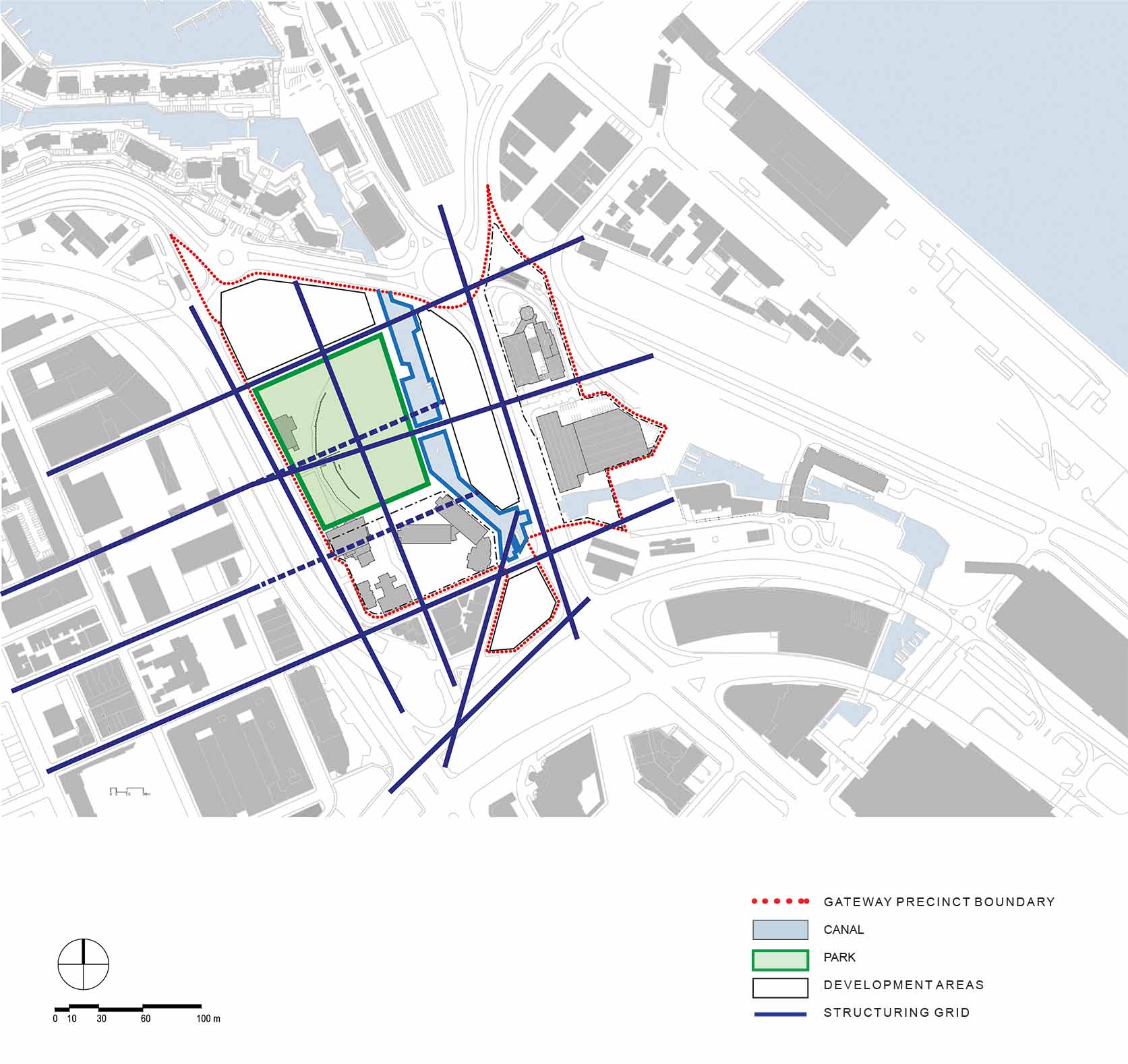
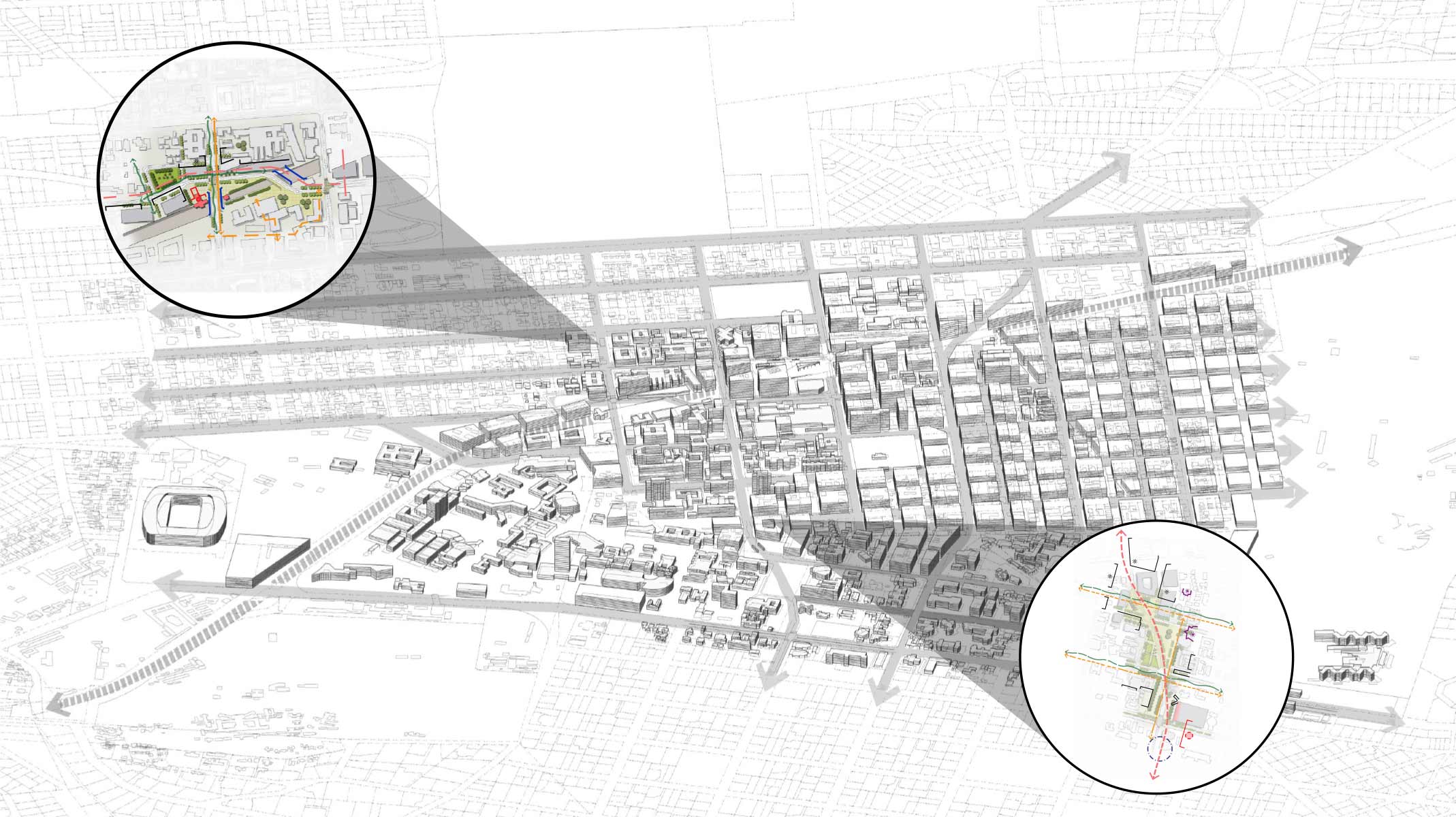
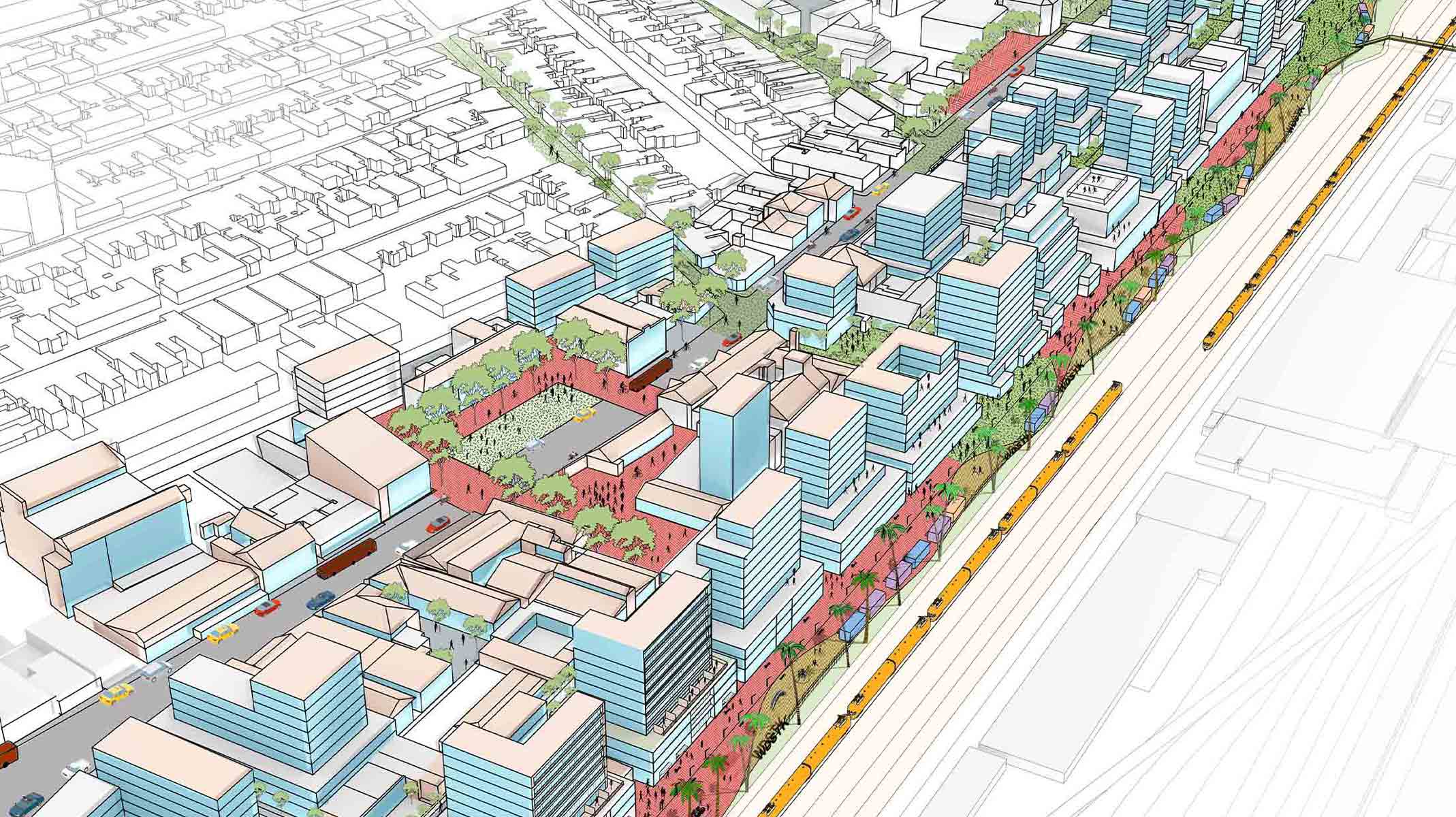
The Canal Precinct sits at the meeting point of two distinct urban conditions: the ordered street grid of the Prestwich neighbourhood to the south-west and the curved, quay-edge structure of the Waterfront to the north. Rather than forcing one pattern onto the other, dhk developed a framework that mediates between them, using the existing Prestwich street grid as a structuring device extended into the precinct to organise movement, building orientation and open space.
This analytical approach which mapped movement corridors, heritage markers, view axes and level changes ensured that every design decision was grounded in what the site itself was telling us.
Heritage as the heart of the precinct
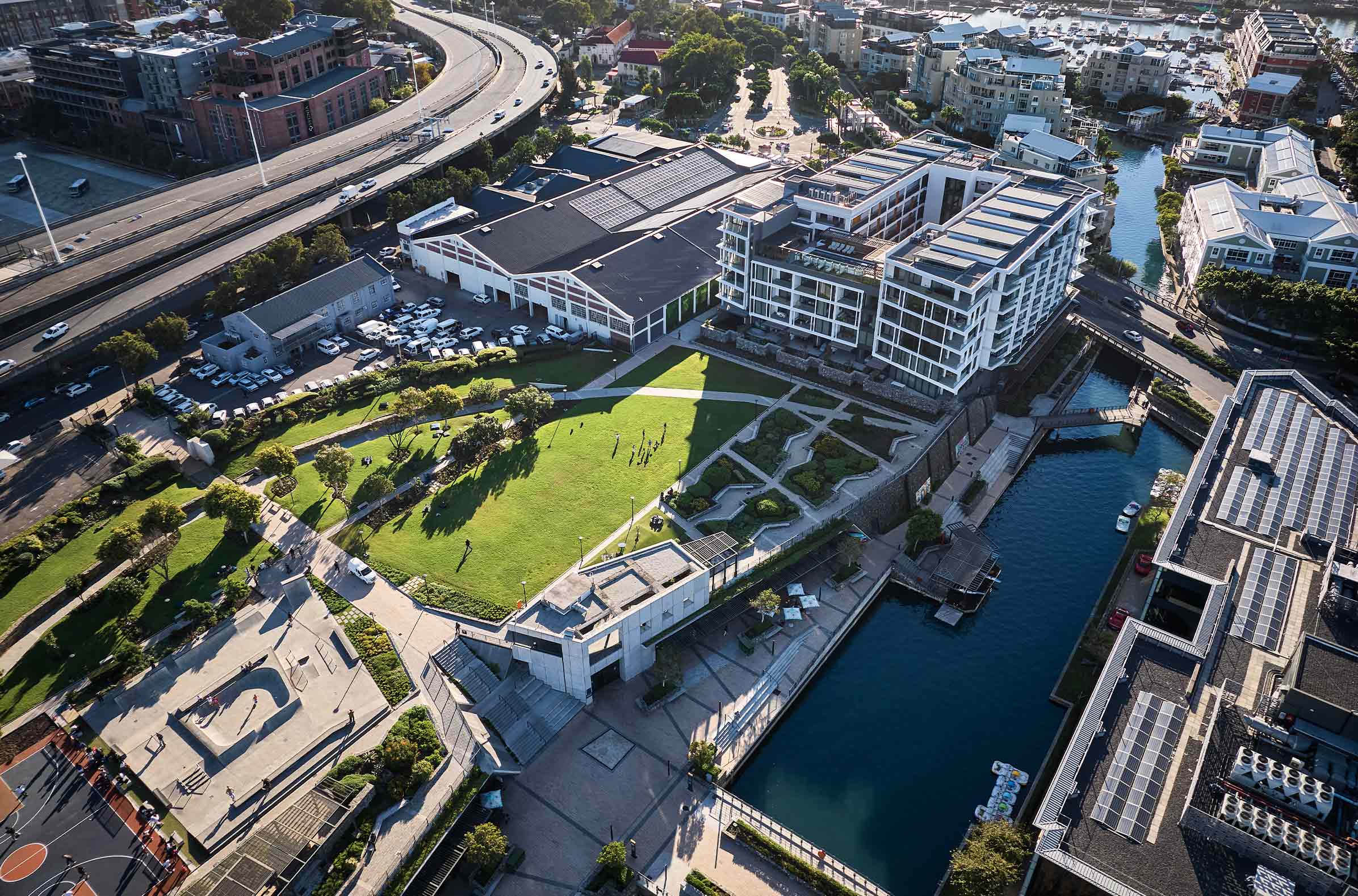
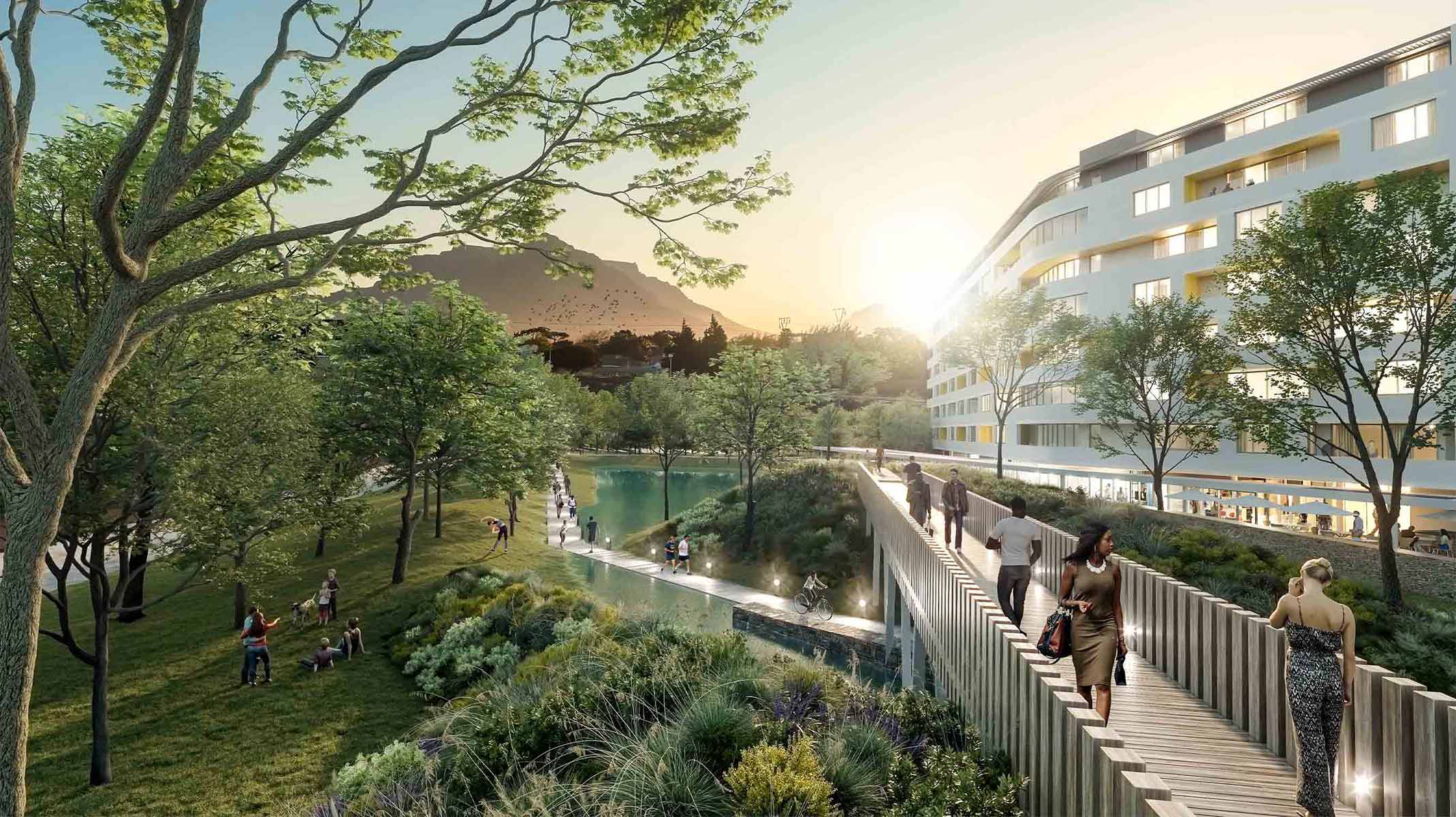
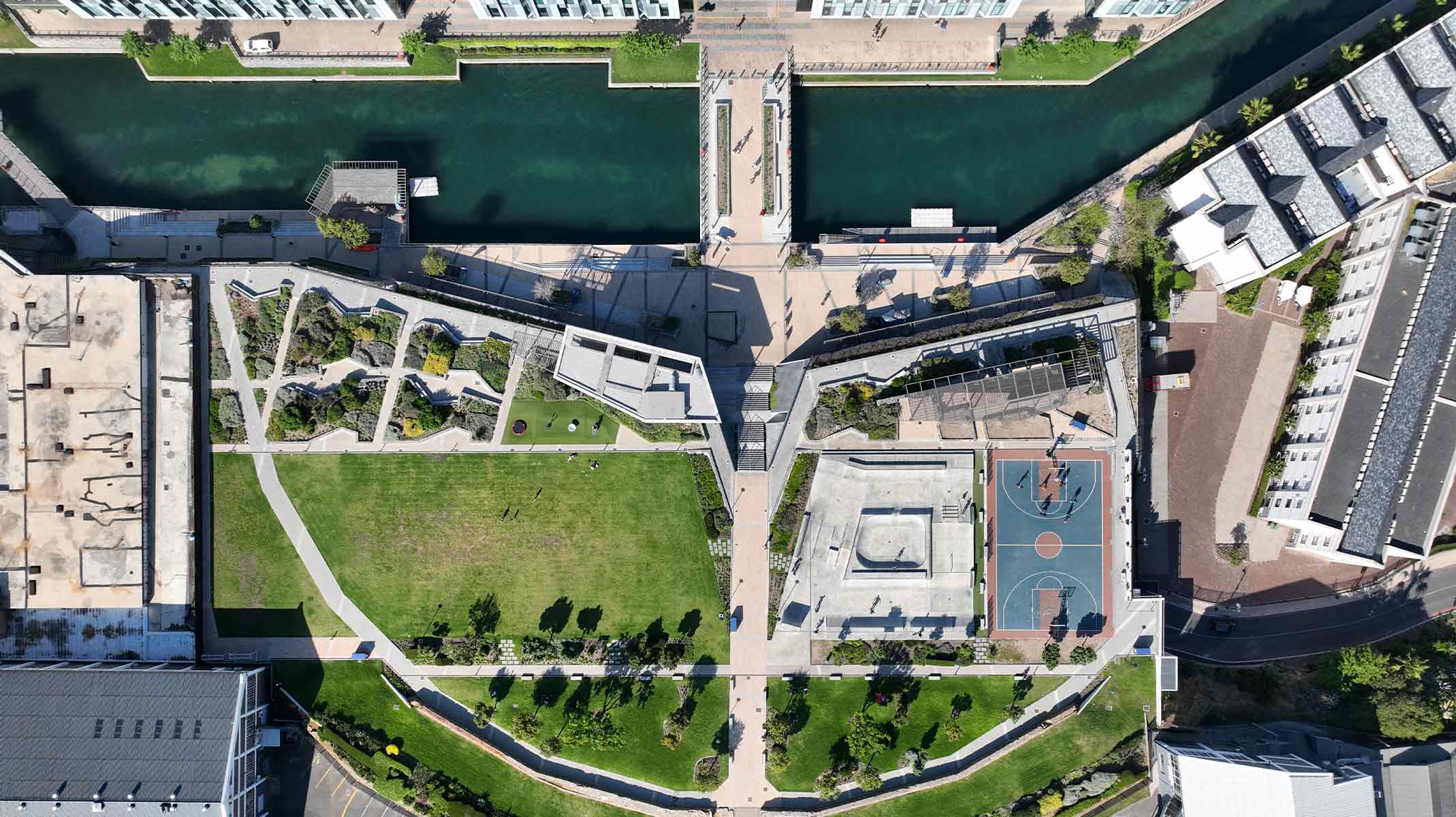
The site's most significant constraint turned out to be its greatest asset. The Amsterdam Battery, a remnant of the Dutch East India Company fortification, sits at the centre of the precinct. Rather than working around it, dhk placed it at the core of the public realm to create Battery Park: an accessible, landscaped civic space that serves everyday movement through the precinct and the wider city, while bringing Cape Town's layered waterfront history into view.
The framework also preserves the historic sightline between the Noon Day Gun on Signal Hill, the Amsterdam Battery and the harbour, maintaining a connection with one of Cape Town's most significant visual corridors.
A precinct designed around people
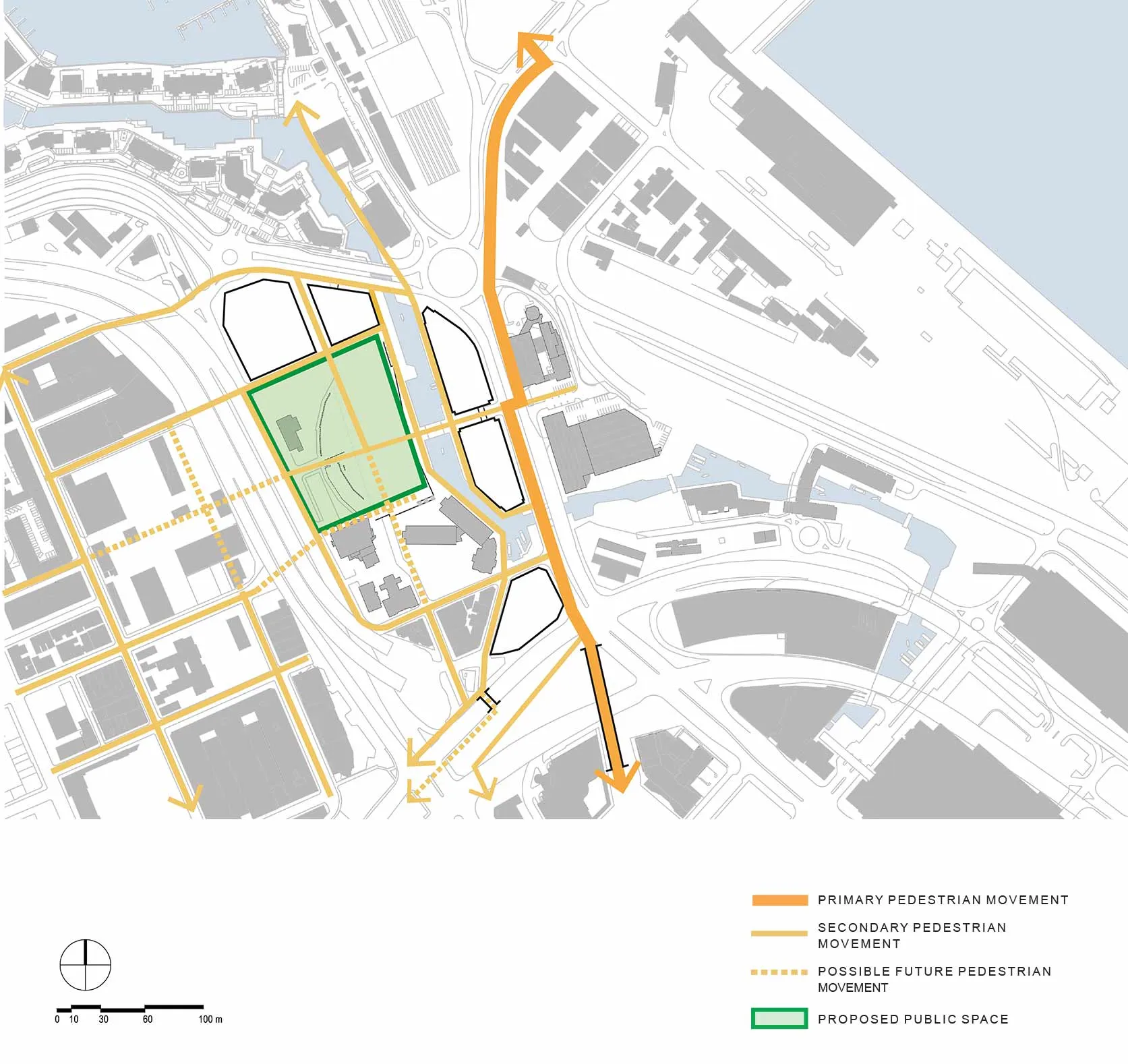
The framework prioritises pedestrians. Primary routes connect from Somerset Road through Ebenezer Road, Bennett Street and Napier Street, drawing people through the precinct and into the V&A Waterfront via a sequence of spaces that reveal the site's heritage layers as you move through them.
Battery Park sits at the centre of this movement network, functioning as a through-route and a destination in itself. This approach links the precinct to the Green Point Urban Park and the Promenade and connecting Cape Town's public green network to the water's edge.
Development that supports the public realm
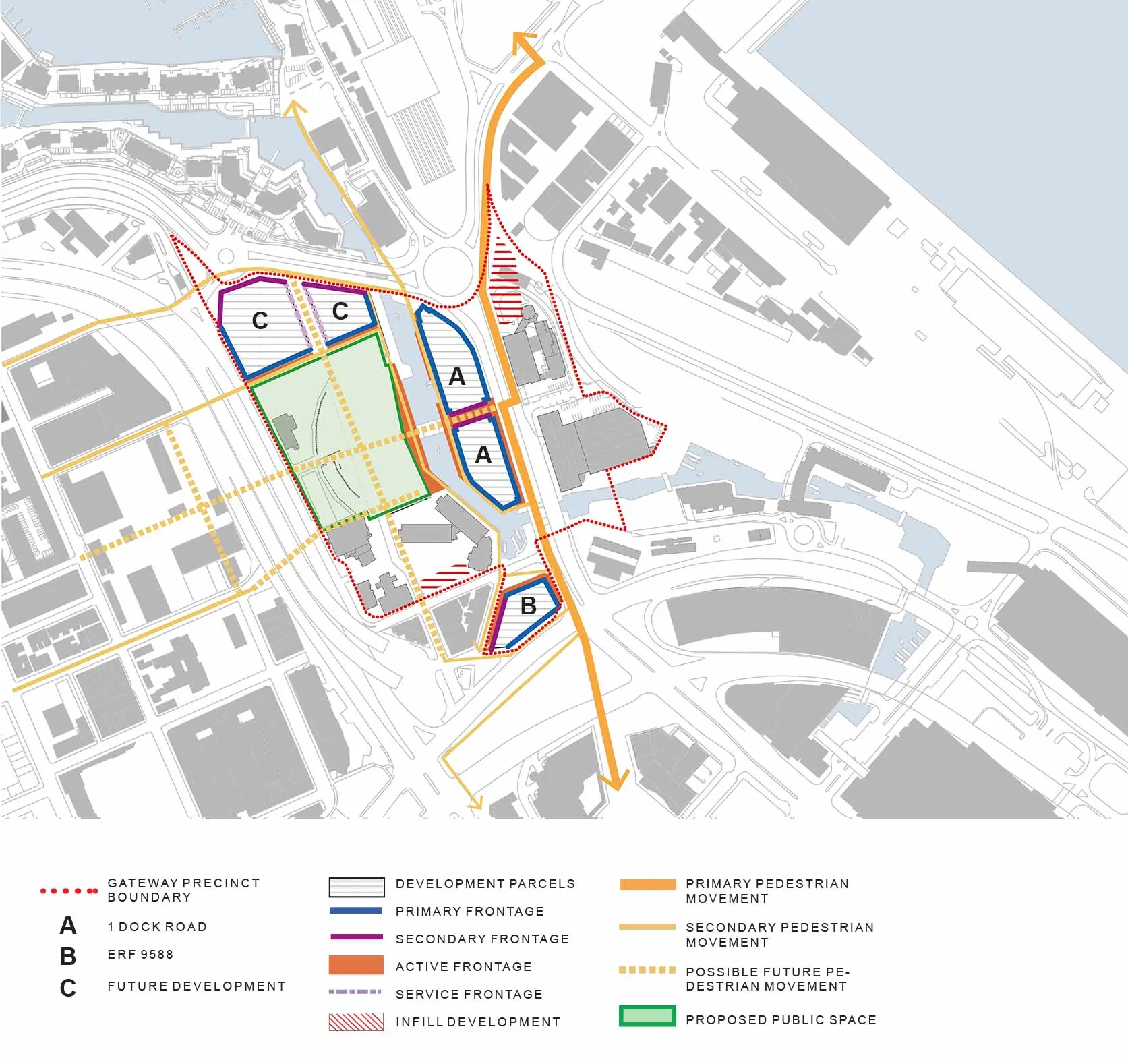
The framework accommodates approximately 68 000 m² of development across five parcels, phased to allow the precinct to grow overtime. Building heights respond to context: a 75m landmark tower marks the southern gateway to the Waterfront, stepping down to 30m and 22m toward the lower-scale Prestwich neighbourhood.
Every ground-level edge is treated as an opportunity to activate the street. Active frontage along the canal edge and the Amsterdam Battery Park perimeter brings retail, hospitality and community uses directly into the public realm, ensuring the precinct generates life throughout the day and into the evening.
Impact
The V&A Canal District Urban Design Framework demonstrates how thoughtful urban design can resolve decades of spatial disconnection. By placing heritage, pedestrian movement and public space at the core of the strategy, dhk created a framework that is both commercially viable and genuinely civic, proving that the missing link between the city and the sea was always there, waiting to be found.
Related architectural projects






.avif)


%20(cover).avif)




.avif)
.avif)
.avif)